Humanist Documentary / Street Era (1945 – 1970)
Humanist Documentary
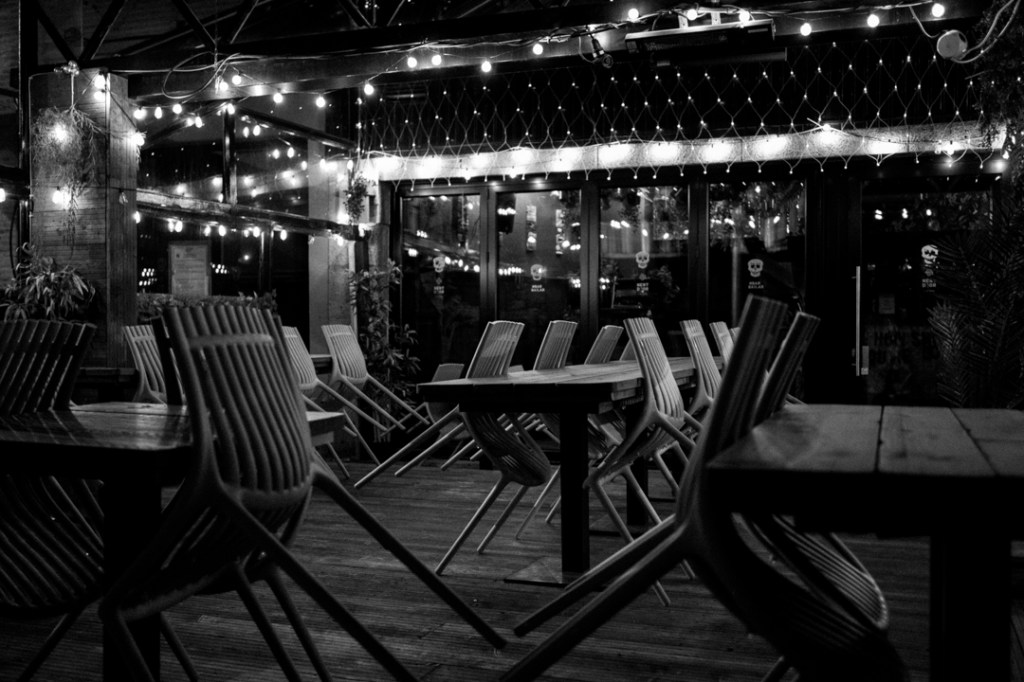
Decisive Street Monochrome
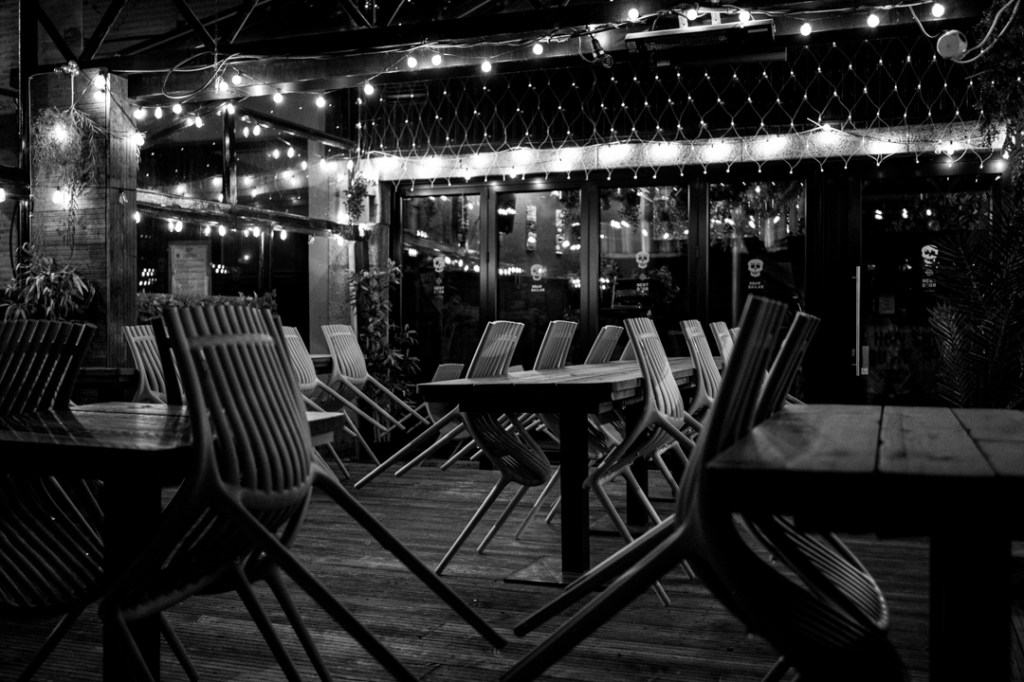
Human Soft Contrast
Road Dust Monochrome
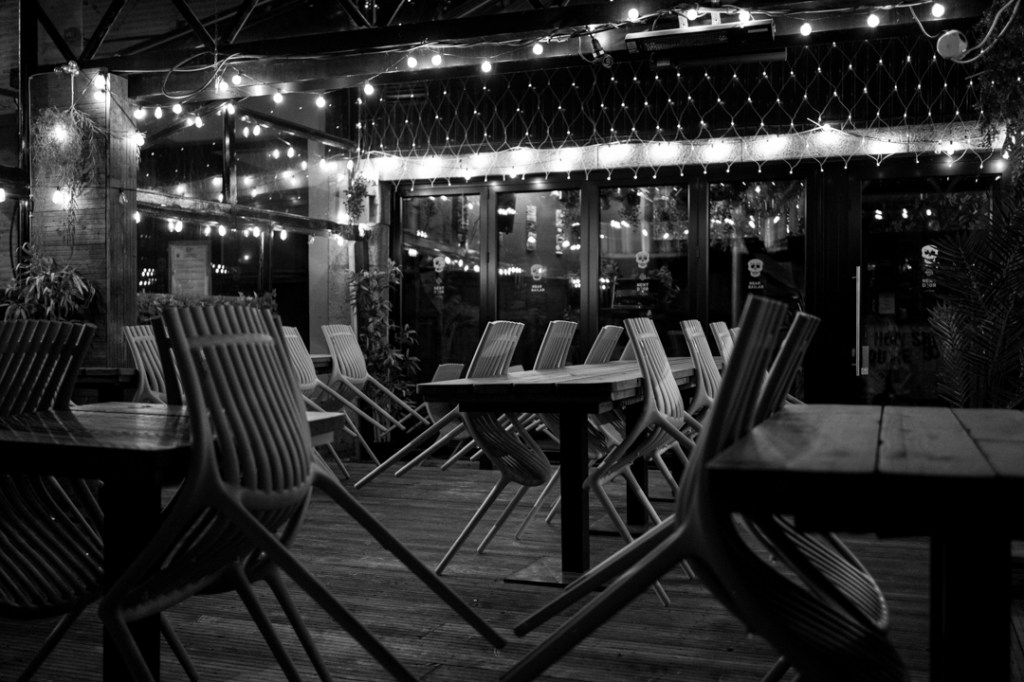
Quiet Street Monochrome
Witty Street Tone
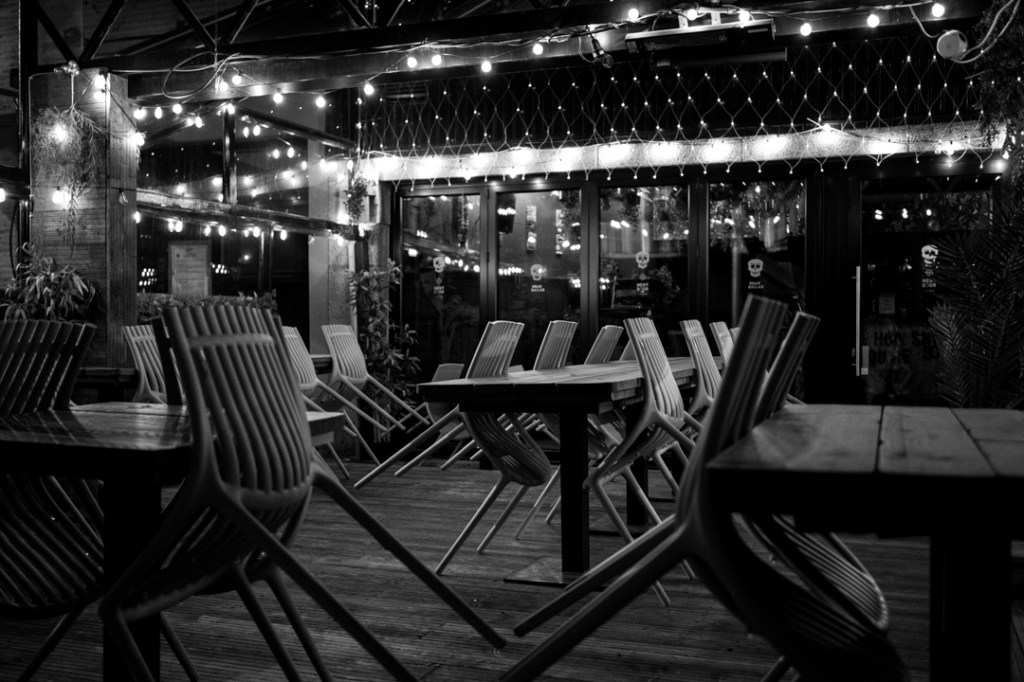
Soft Decay Monochrome
The Age of Humanity, Gesture and Everyday Truth
Between the mid-1940s and the late 1960s, photography turned its focus toward the subtle drama of everyday life.
Instead of monumental landscapes or formal studio scenes, a new generation of photographers walked the streets with small cameras, seeking unrehearsed gestures, fleeting expressions, humour, struggle, silence and dignity.
They believed that the camera was not merely a tool for documentation, but a way to reveal the emotional truth of ordinary people.
Light was natural, moments were unstaged, and prints were honest — sometimes soft, sometimes gritty, but always rooted in empathy.
This approach became known as Humanist Documentary and Street Photography, and it reshaped the medium into a quiet yet powerful instrument of storytelling.
The Humanist Documentary Aesthetic is defined by:
- gentle or moderate contrast
- expressive midtones carrying mood and nuance
- natural light, spontaneous timing
- grain that feels lived-in and real
- emotional subtlety rather than stylization
- gestures, glances and unguarded moments
- scenes drawn from daily life — streets, cafés, families, commuters
The following photographers shaped this movement and gave it its unmistakable visual language.
Key Figures of the Humanist Documentary / Street Era
Henri Cartier-Bresson (1908–2004)
The master of the decisive moment
Strand was the first to fully articulate what Straight Photography coCartier-Bresson transformed street photography by showing that life offers perfect compositions for those patient enough to wait.
His images balance clarity and spontaneity, geometry and emotion. He worked with:
- natural light
- fast timing
- clean, unobtrusive framing
- a quiet distance, yet deep empathy
Cartier-Bresson proved that a single fraction of a second could reveal the truth of a place, a gesture or a soul.
Dorothea Lange (1895–1965)
The poet of human dignity
Weston brought an intense, almost meditative clarity to his subLange photographed hardship with tenderness.
Her portraits of families, workers and strangers reveal resilience, vulnerability and hope. Her style is built upon:
- soft but expressive contrast
- emotionally charged midtones
- gentle clarity that avoids harshness
- an unwavering attention to human presence
Her work became a cornerstone of humanist documentary — photography as compassion.
Robert Frank (1924–2019)
The chronicler of the American road
Frank brought a raw, restless, unvarnished look to documentary photography.
He travelled, observed and collected fragments of American life: diners, cars, highways, musicians, outsiders. His photographs convey:
- gritty blacks and matte highlights
- visible grain
- a sense of movement and imperfection
- emotional honesty over technical perfection
His book The Americans redefined what documentary could be — personal, subjective, searching.
Vivian Maier (1926–2009)
The guardian of unnoticed moments
Cunningham united scientific attentiveness met artistic intuition.
HMaier wandered the streets with quiet curiosity.
Her images observe without intruding, revealing the private theatre of everyday life: children at play, strangers passing, brief glances, silent humour. Her visual language includes:
- natural, almost tender contrast
- strong midtone presence
- intuitive timing
- a sense of mystery and introspection
Maier’s archive shows that the unnoticed can be extraordinary.
Elliott Erwitt (1928–2023)
The humorist of the human condition
Cunningham united scientific attentiveness met artistic intuition.
HMErwitt photographed with a rare blend of precision and light-heartedness.
Dogs, couples, politicians, commuters — all became players in visual comedy and irony. His signature elements:
- clean composition
- moderate contrast
- expressive timing
- moments where humour and truth meet
He proved that documentary could be both insightful and playful.
Sally Mann (1951– ) — Early Work
The sculptor of emotional atmosphere
Erwitt photographed with a rare blend of precision and light-heartHer early black-and-white images feel intimate, textured and timeless.
Landscapes, portraits and everyday scenes appear wrapped in soft decay and emotional weight. Her early visual language includes:
- deep but gentle blacks
- melancholic midtones
- organic clarity
- subtle patina and grain
- slow, atmospheric transitions
This early period fits naturally into the humanist lineage — photography as memory, emotion and time.
Creative Tools Inspired by the Era
o help contemporary photographers achieve the emotional honesty, street-level realism and human warmth of this movement, this collection includes original presets that evoke the spirit of Humanist Documentary / Street Photography — without referencing any specific artist.
Included Presets:
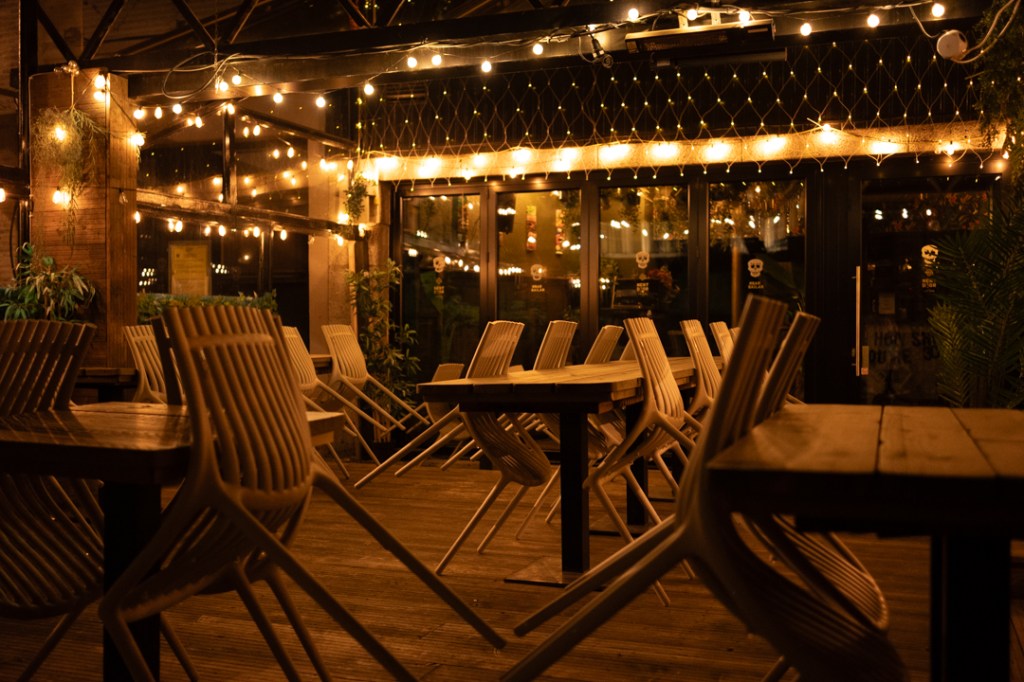
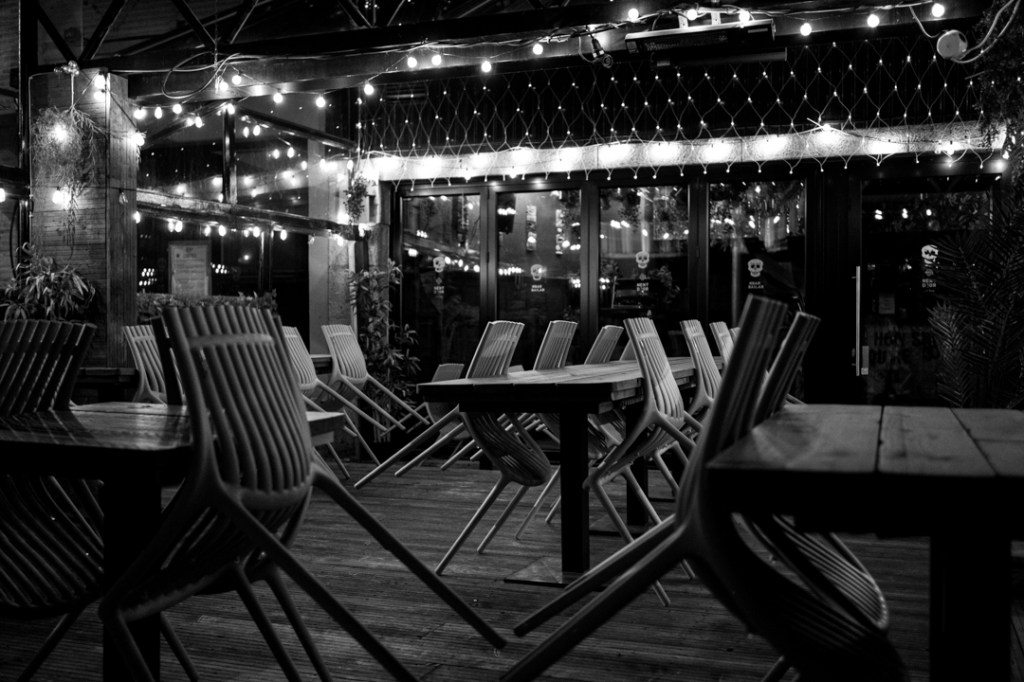
Decisive Street Monochrome
A crisp, responsive street-profile emphasizing:
- clean but not aggressive contrast
- strong midtone structure
- enough clarity for gesture and movement
- subtle grain
- a direct, journalistic feeling
Ideal for decisive moments, street timing, intersecting gestures and the poetry of public space.
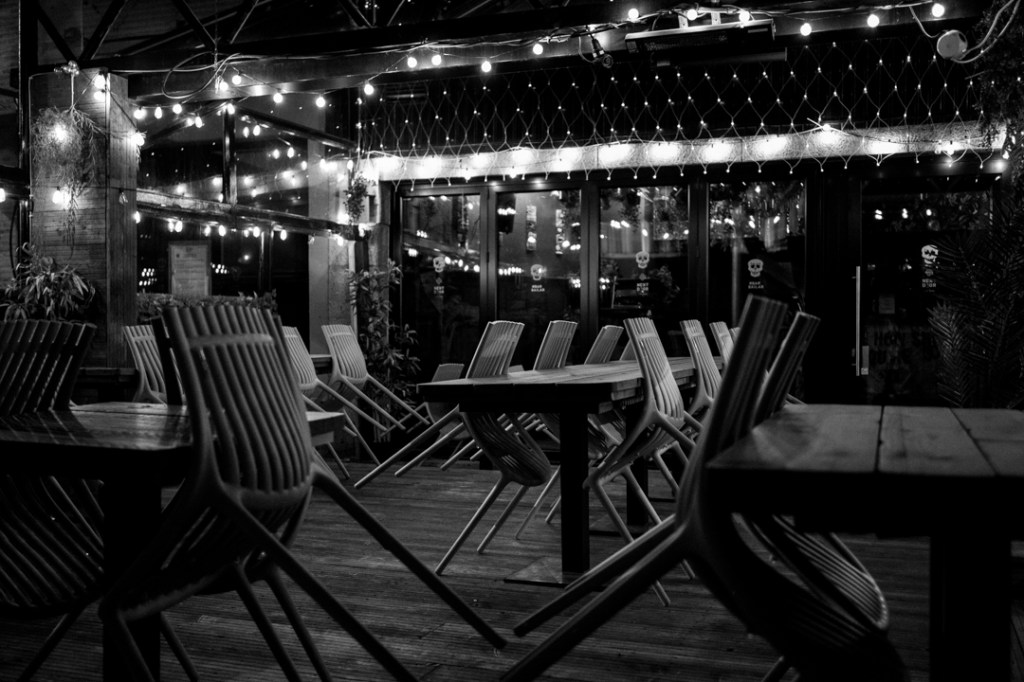
Human Soft Contrast
A gentle, documentary-oriented monochrome profile offering:
- smooth shadow transitions
- a soft, human, empathetic rendering
- subtle clarity without hard edges
- light filmgrain for authenticity
- calm whites and deep blacks
- understated, emotional tonality
Perfect for portraits, street scenes, quiet moments and everyday life.
Road Dust Monochrome
A gritty, high-contrast profile built for raw documentary and road-life imagery.
You get:
- deep, dusty blacks
- matte highlights
- 35mm-like grain
- increased clarity and texture
- a subtle dryness in tones
- black-and-white that feels lived-in and unpolished
Ideal for street photography, road trips, diners, buses, cars and reportage with a touch of drama
Soft Decay Monochrome
A warm, atmospheric, melancholic monochrome character featuring:
- deep but soft blacks
- misty, melancholic midtones
- gentle patina / historical texture
- soft focus with organic clarity
- living, expressive grain
- broad, slow tonal transitions
Perfect for portraits, landscapes, trees, mist and emotionally loaded scenes.
Witty Street Tone
A light, playful black-and-white profile made for images that are:
- light-footed
- spontaneous
- human
- gently humorous or lively
Perfect for street photography, children, animals, unexpected moments and small observations.
Quiet Street Monochrome
A clear, honest, timeless monochrome profile designed for calm, unobtrusive street photography.
It features:
- light blacks (present but never harsh)
- bright, articulate midtones
- documentary neutrality without heavy toning
- moderate clarity for gentle detail in faces and clothing
- very light grain — cinematic yet quiet
- natural brightness, neither dark nor “noir”
Ideal for candid moments, travel, people in motion and calm street scenes.
How to Use These Tools
These presets work beautifully on:
- humanist street photography
- candid documentary scenes
- portraits with emotional depth
- everyday life and spontaneous gestures
- road-life reportage
- atmospheric black-and-white storytelling
- scenes where empathy matters more than perfection
They are designed to reinforce the era’s belief that the truest stories are found in the ordinary, and that photography’s greatest power lies in its ability to reveal humanity — simply, honestly and without ornament.
A light, playful black-and-white profile made for images that are:
Included Presets:
- Decisive Street Monochrome
- Human Soft Contrast
- Road Dust Monochrome
- Soft Decay Monochrome
- Witty Street Tone
- Quiet Street Monochrome
Full description available on preset page
Format: .XMP
Compatibility: Lightroom Classic & Lightroom CC
RAW & JPEG
You might also like:

The complete toolkit for photographers: golden/blue hour, sun position, weather insights, exposure tools, DOF and focus calculators — everything designed to plan better shoots.
Download on the App Store

Automatically organizes RAW & JPEG files by date, filetype or EXIF capture time. Perfect for photographers who want a clean, efficient workflow.
Download on the App Store

Visualize sunrise, sunset and the sun’s trajectory for any location and date. Ideal for landscape, travel and architectural photography.
Download on the App Store
Convert to JPEG/PNG/TIFF, edit or remove metadata, and save cleaned photos into tidy albums. Essential for exports, clients and privacy-minded photographers.
Download on the App Store
 AppX3
AppX3 